About the Seminar
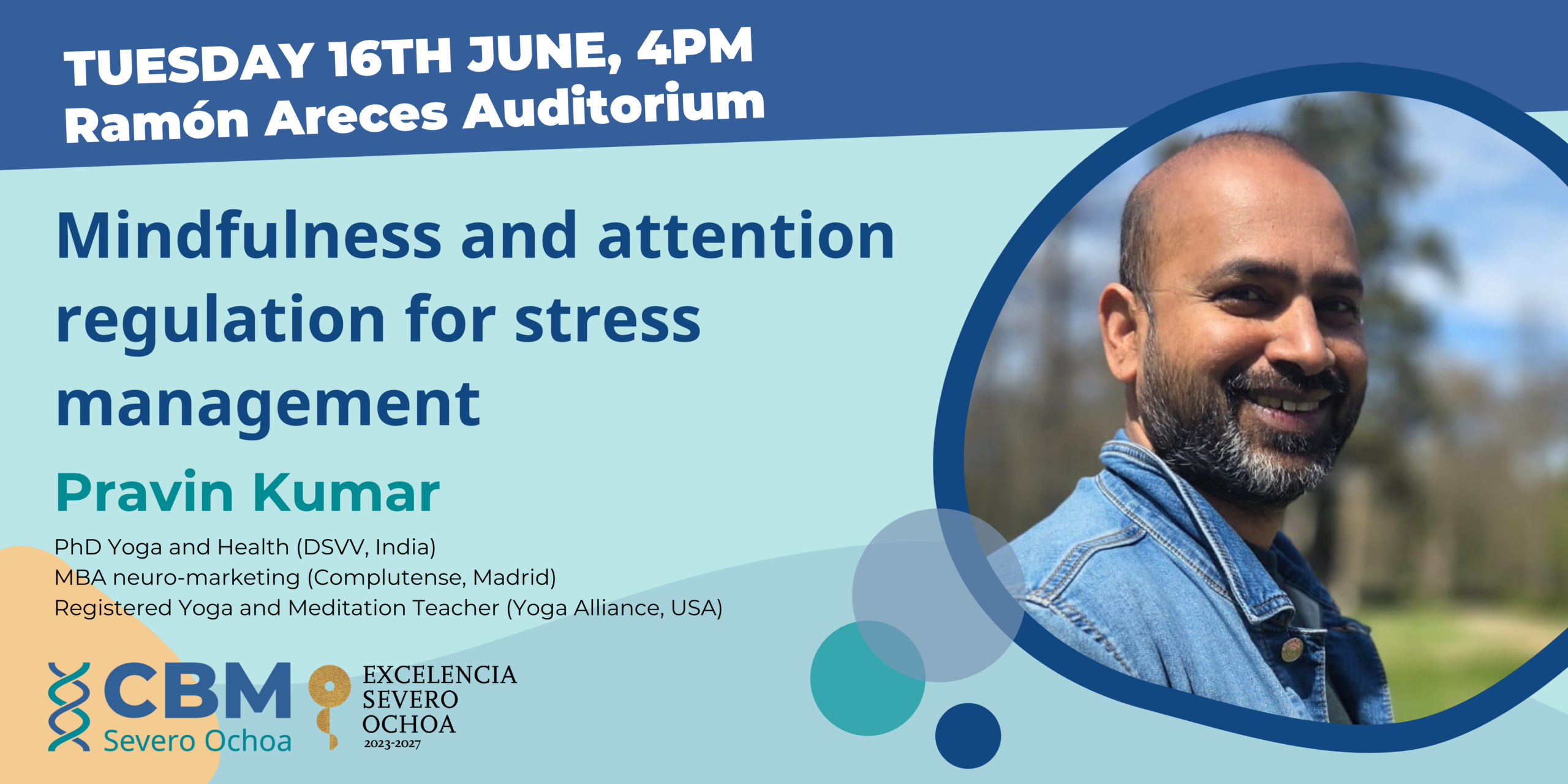
Mindfulness is a set of attention-training practices based on regulating focus and awareness, originally derived from contemplative traditions and later incorporated into psychological approaches to stress and wellbeing.
It involves simple techniques such as breathing exercises, body awareness and guided attention to the present moment, aimed at improving focus, reducing distraction and supporting emotional regulation in everyday contexts.
Seminar structure
1. Introduction
Brief presentation on the current state of the art
2. Practical Session
Practical application of mindfulness and attention regulation.
- Soft exercise of joints and muscle movements (Yoga)
- Diaphragmatic breath establishment practice.
- Full body scan with relaxation practice.
- Meditation of breath awareness.
- Mindful Eating Practice
3. Questionnaire
Five Facets Mindfulness Questionnaire
- Pre and post mindfulness questionnaire to be filled out by all participants.
This is a voluntary, non-clinical session focused on basic attention and stress-management practices in everyday contexts. It is not a therapeutic intervention and does not replace professional medical or psychological care. The CBM does not endorse or promote any clinical application of the techniques presented.