

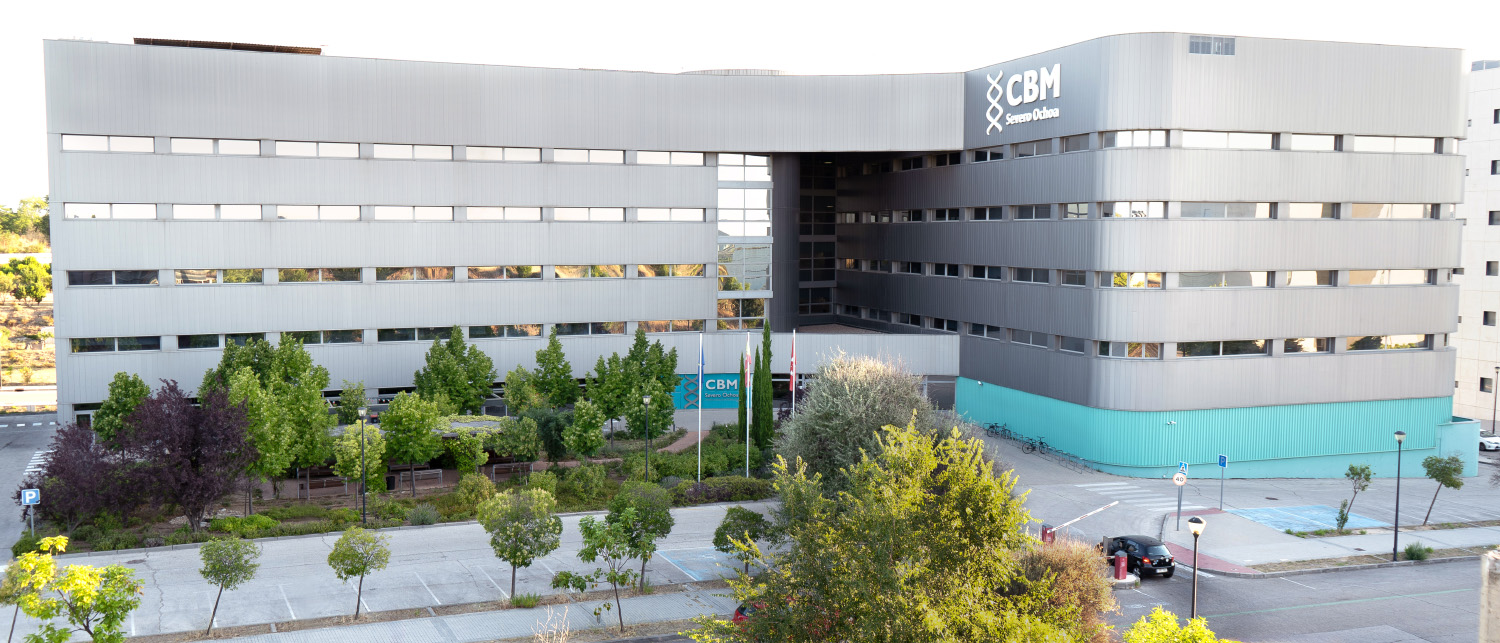
The Centro de Biología Molecular Severo Ochoa (CBM) is an experimental research centre in the areas of molecular and cellular biology and biomedicine.
The CBM is a joint research centre, hosting researchers belonging to the Spanish Higher Research Council (CSIC) and the Universidad Autónoma de Madrid (UAM). Founded in 1975, the CBM is one of the largest Spanish multidisciplinary research centres in biomedicine, with expertise in molecular biology, biochemistry, genetics and genomics in several research areas: immunology, virology and microbiology, neuroscience, and cell and developmental biology.
This broad expertise confers the centre the needed versatility to undertake new research challenges in emerging topics and unresolved biomedical problems.
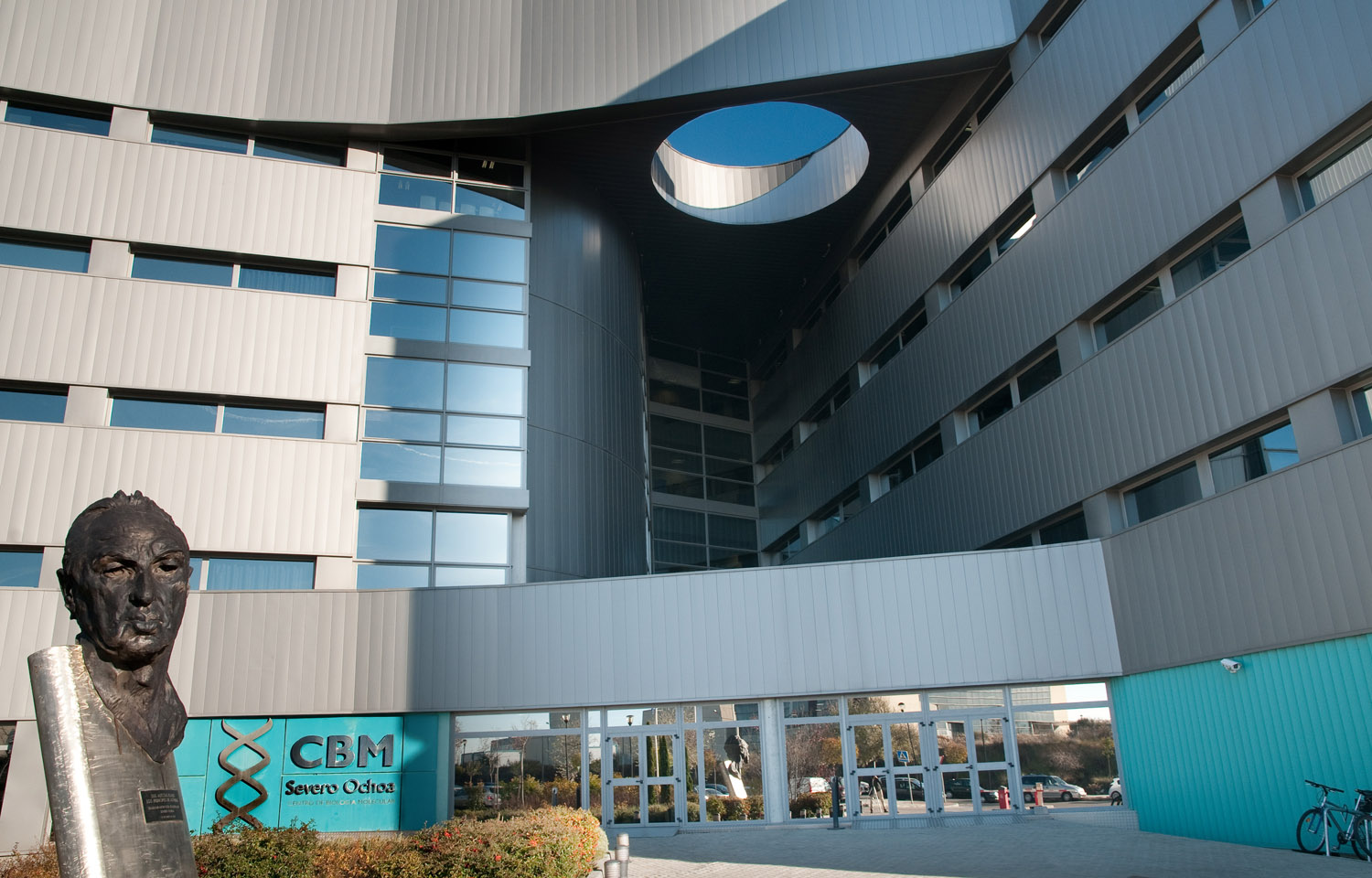
Our mission: Exploring the molecular basis of life for the benefit of society.
Our more than 450 collaborative scientists and over 90 research groups address challenges in a broad range of disciplines, and stand out for their important scientific output and technology transfer to the industry and the clinic. They are supported by state-of-the-art technology provided by 14 Scientific Core Facilities and 9 Technical Services with over 65 highly experienced staff.
The CBM is also highly committed to the modern and professional training of hundreds of early career researchers, and to research communication through a pioneer Comms & Outreach Office with more than 20 years of experience.
Strategic goals
The CBM know-how, expertise and pedigree help us achieve our strategic goals:
Consolidate our unique scientific niche in the Spanish landscape and become an international benchmark in immunity, inflammation and metabolism research.
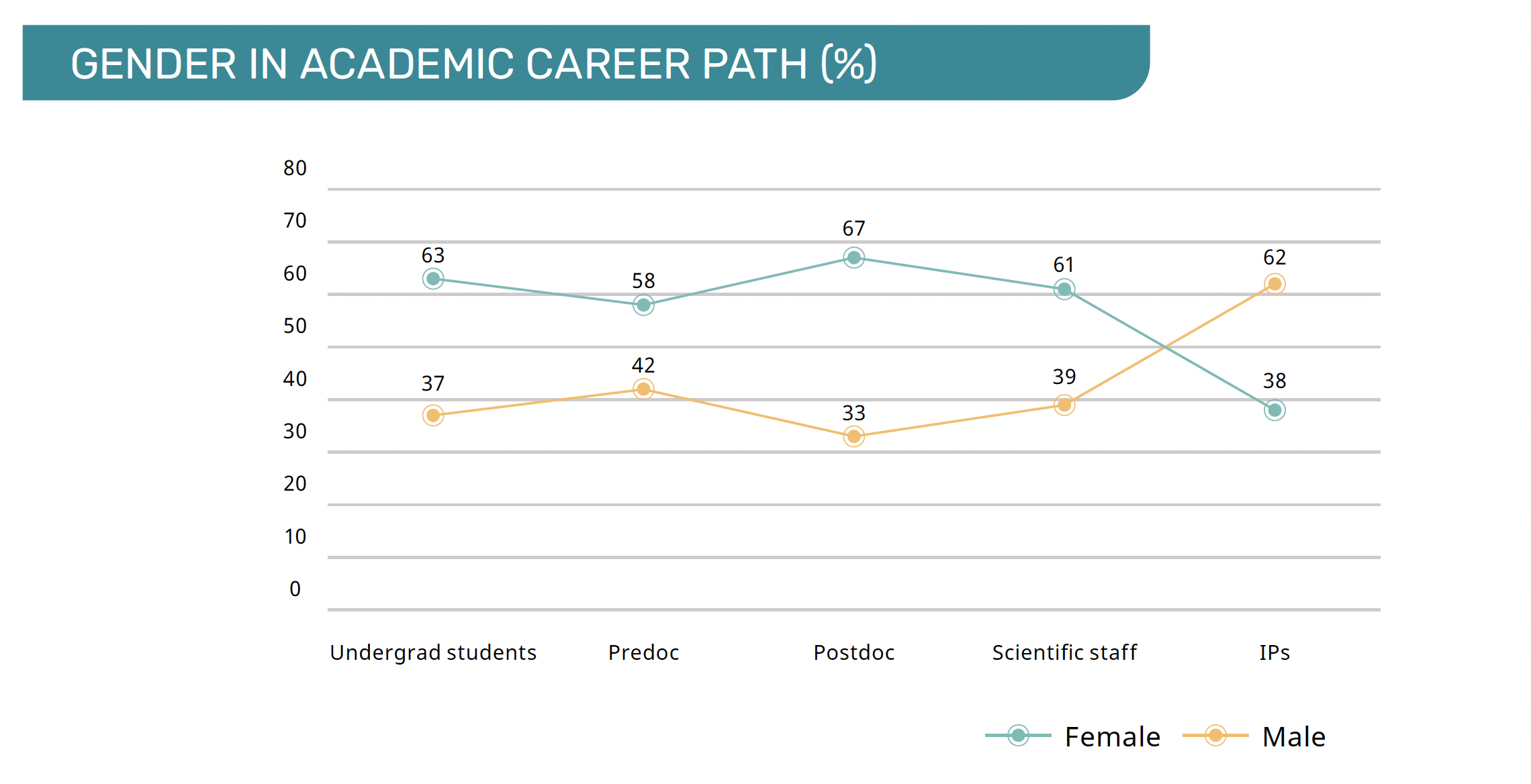
Attract competitive early career researchers, according to our gender and diversity plan, and foster the activity of recent incorporations above international standards.
Obtain international competitive funds and attract investments from the biotech/pharmaceutical sector, according to the increasing applicability of our research output.
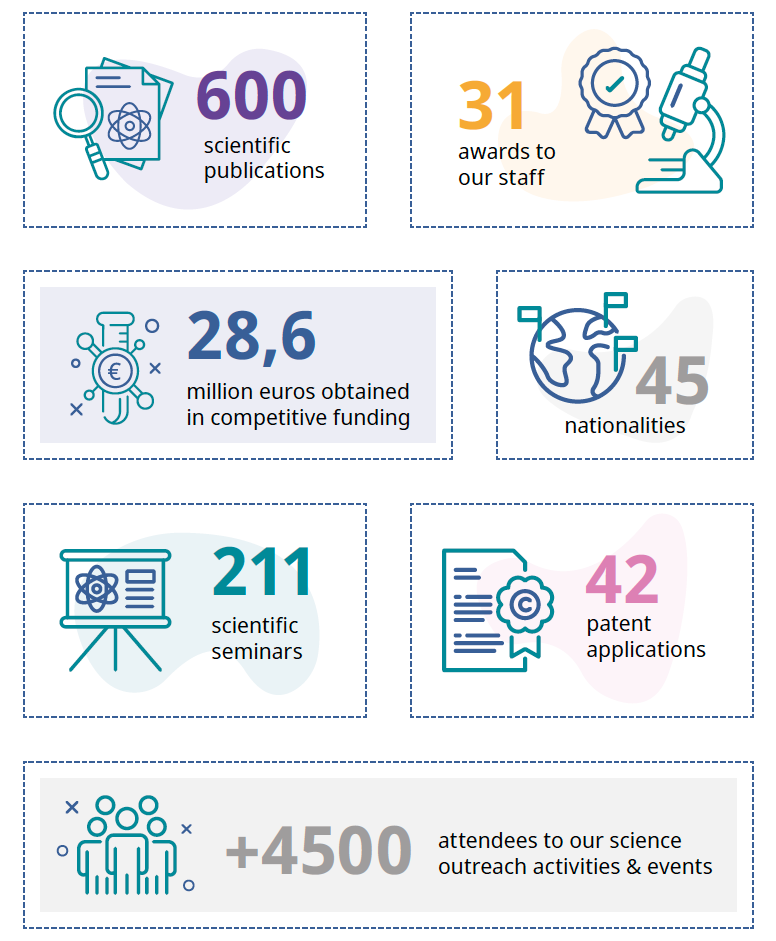
The CBM in numbers
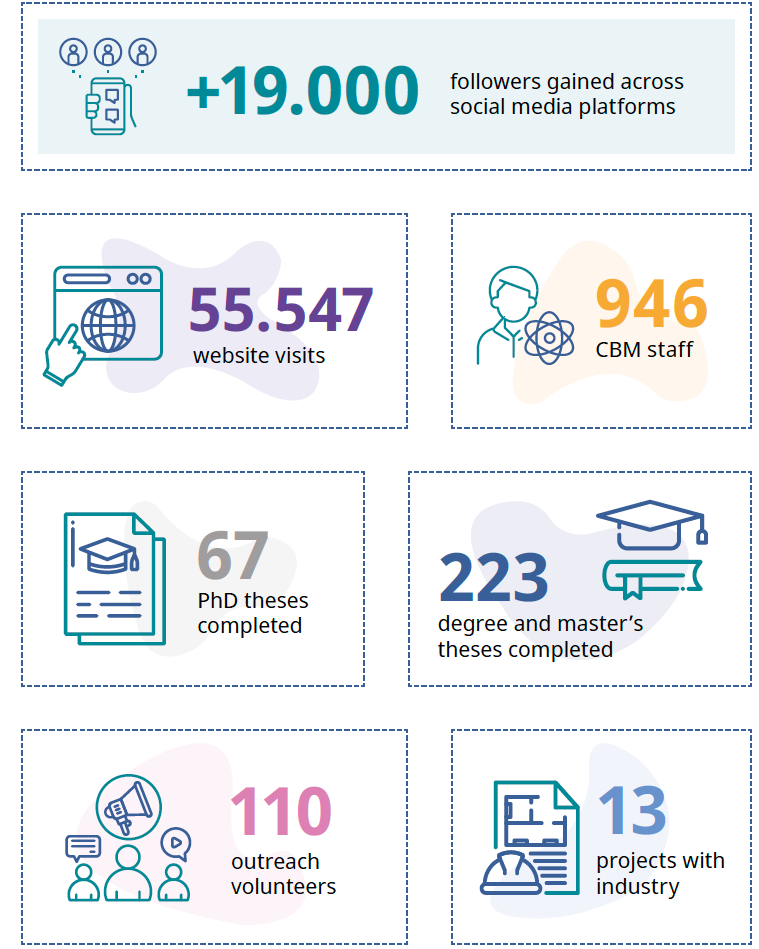
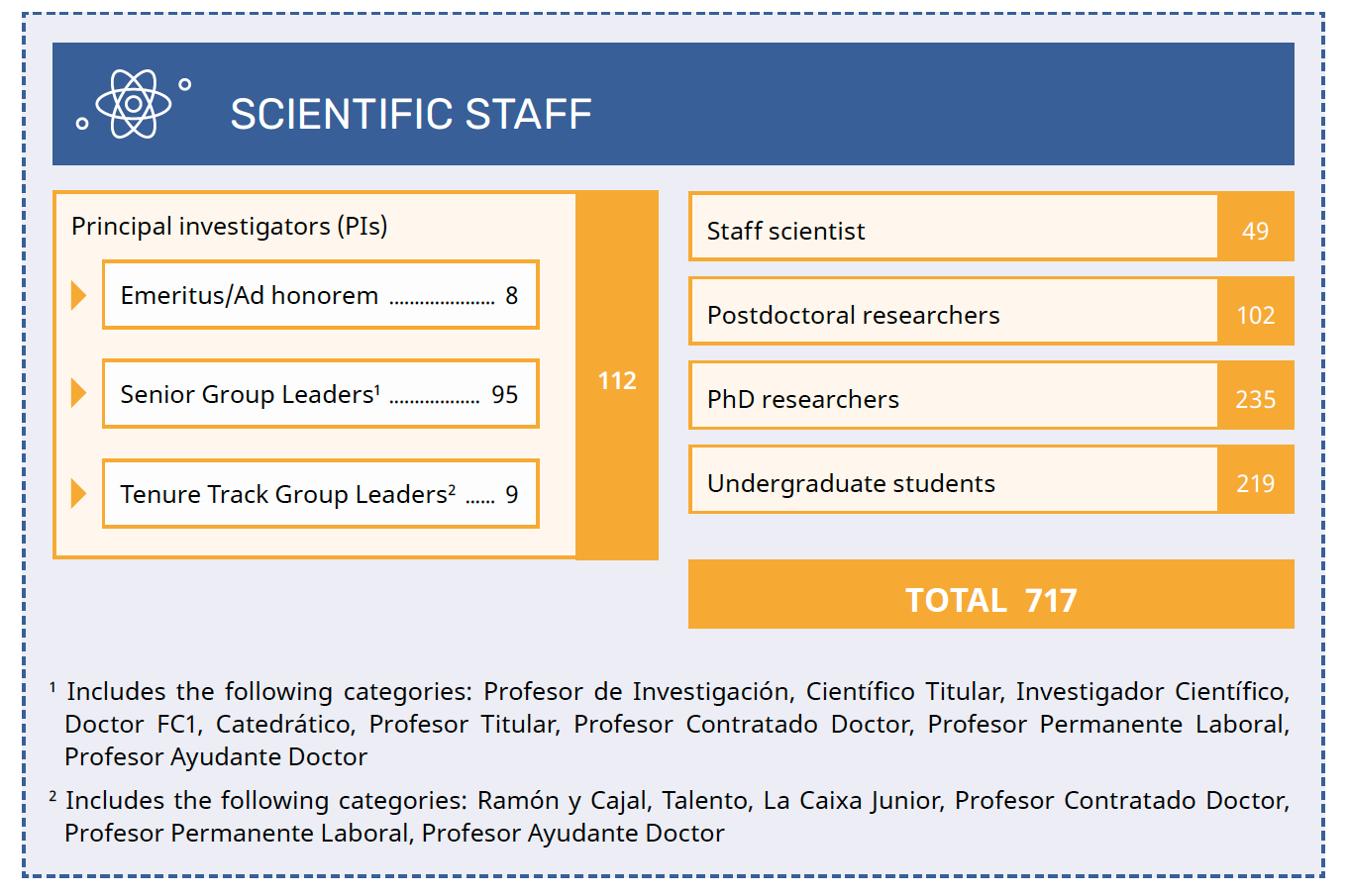
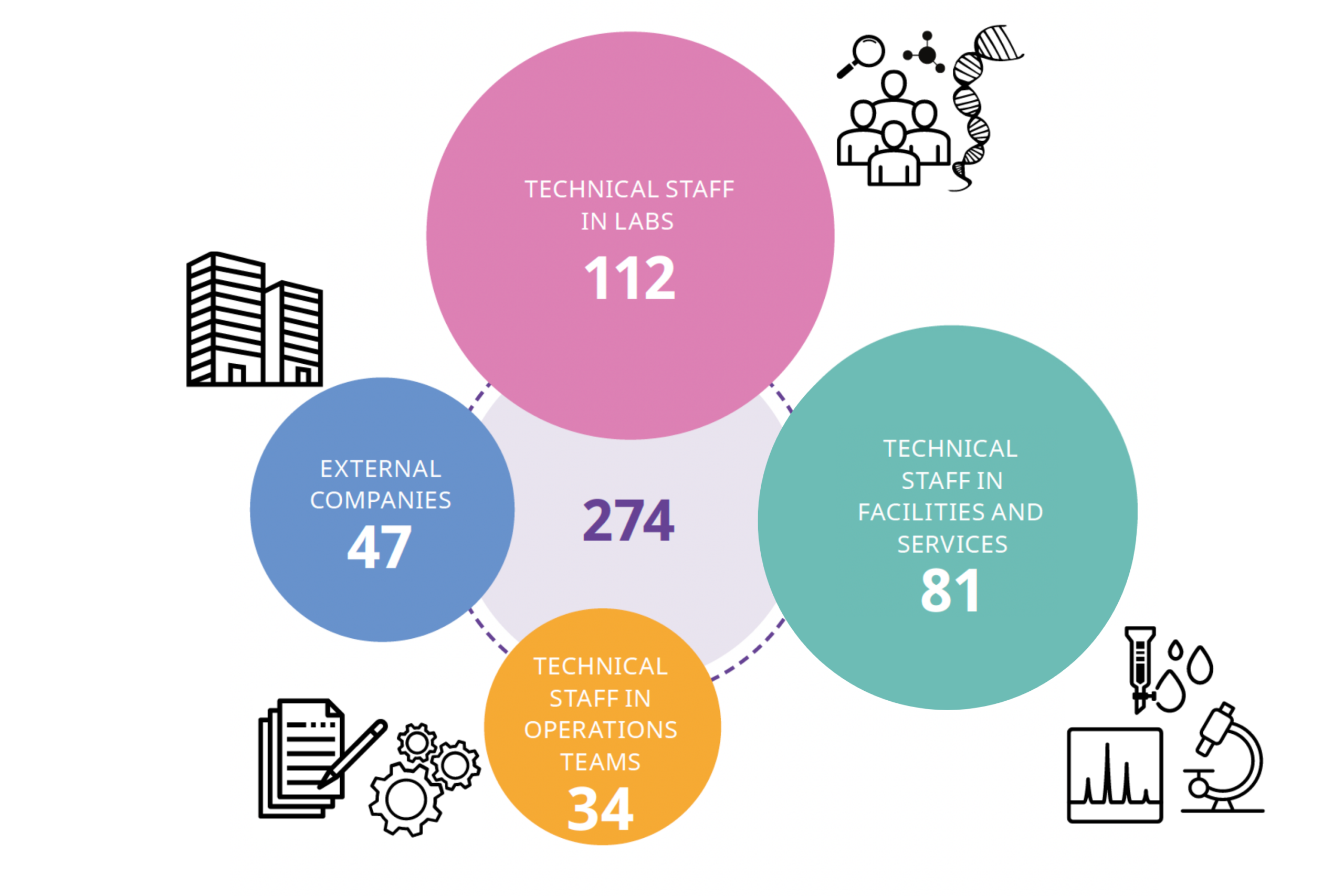
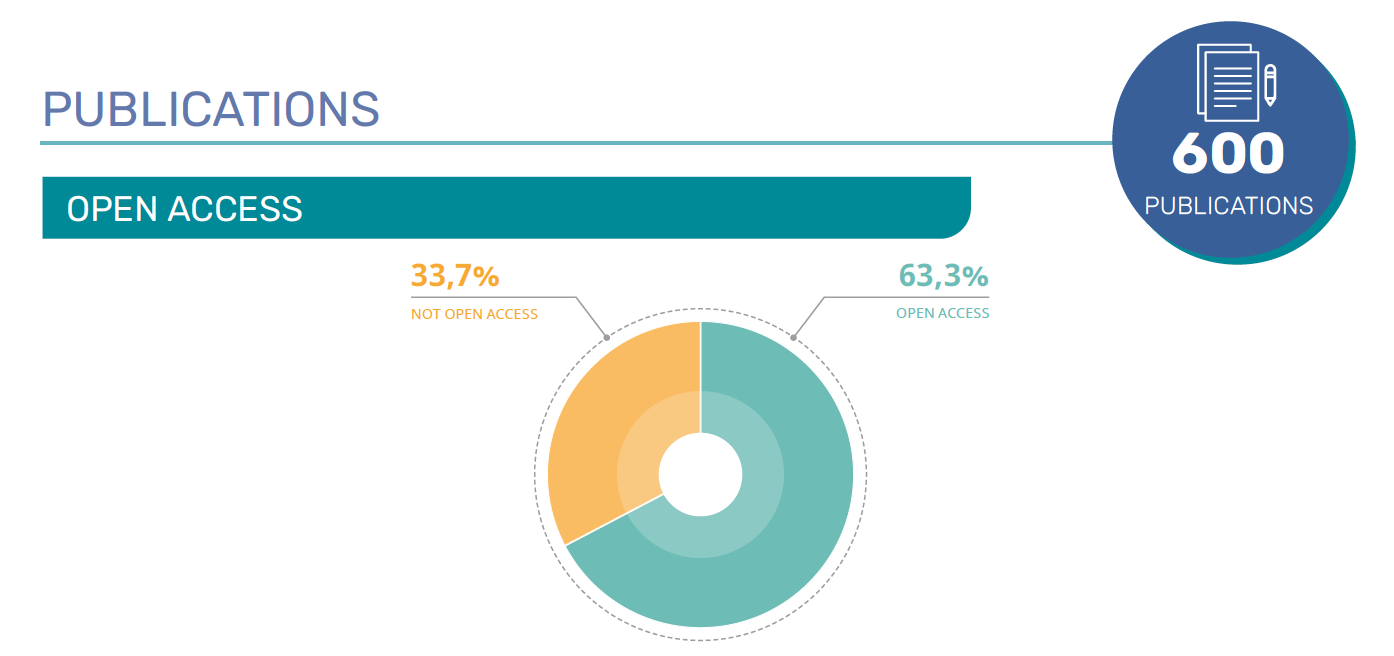
Data from 2023-2024
Scientific staff
Research support staff
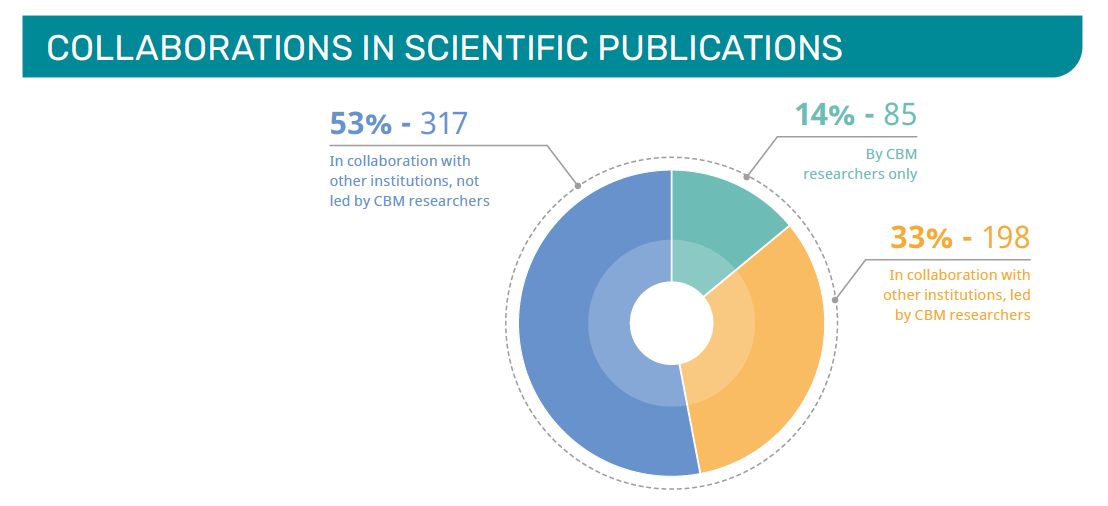
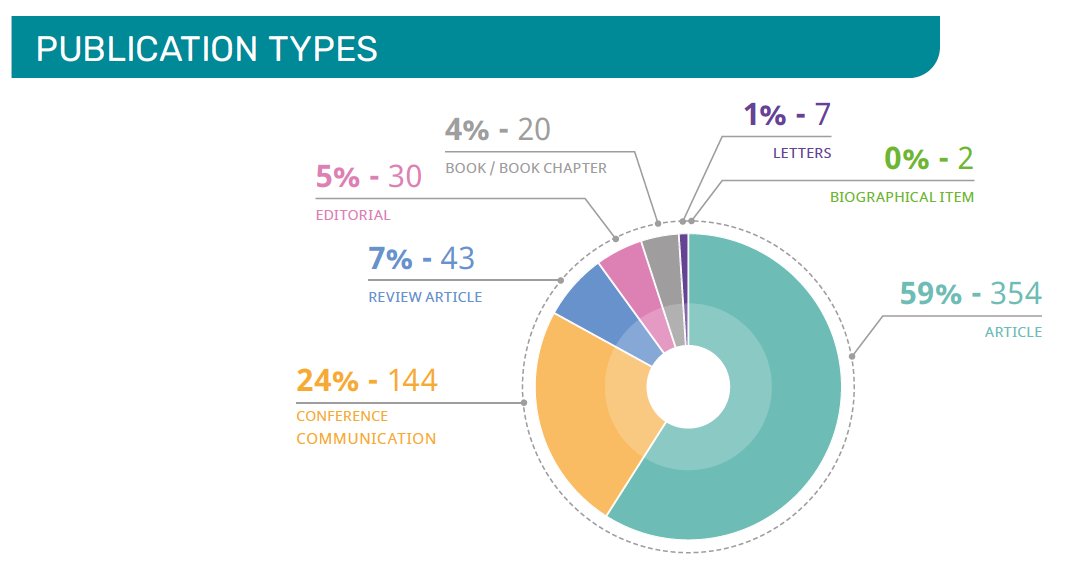
Publications
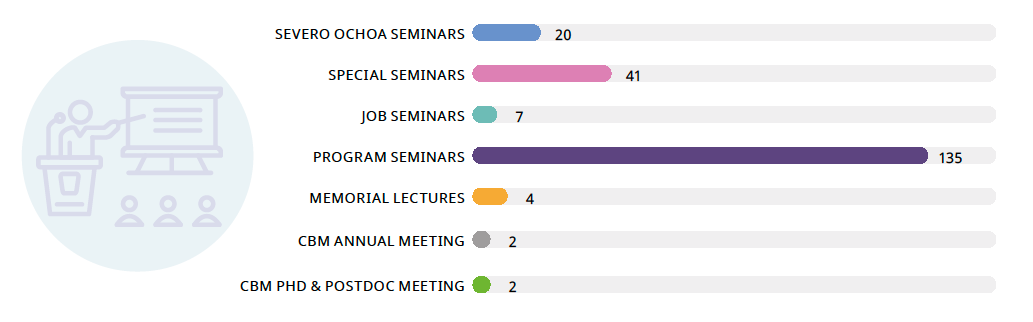
Seminars, lectures and thesis

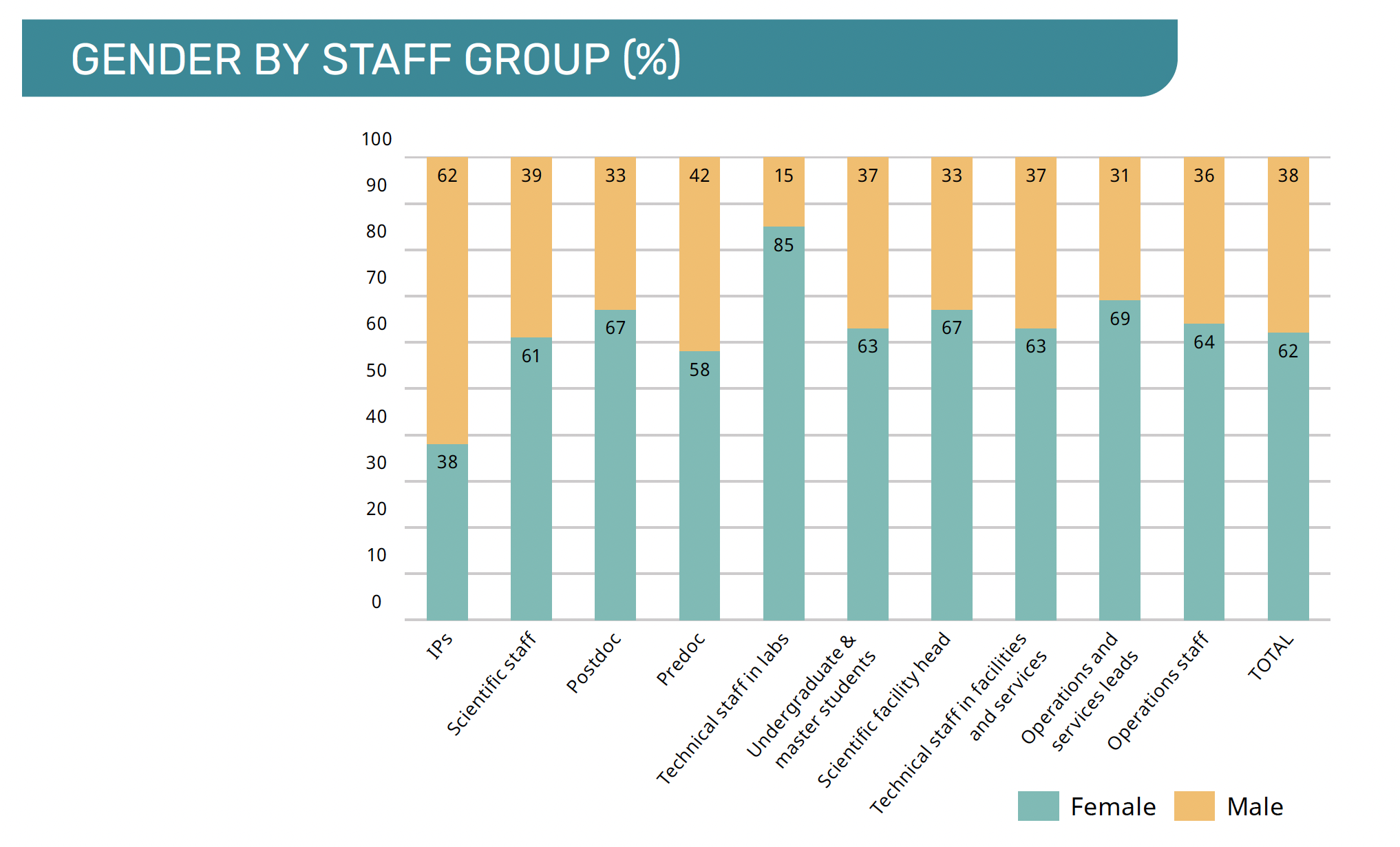
Gender equality
Scientific Reports
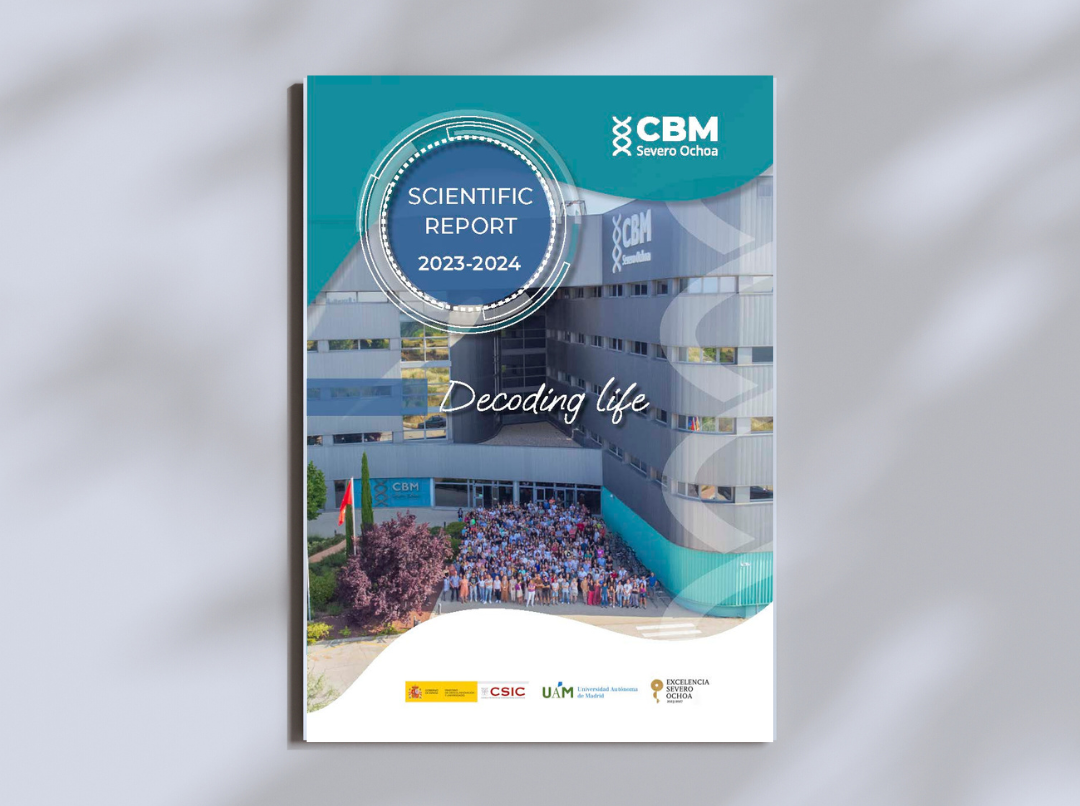
2023-2024
Our history and alumni: legacy and future
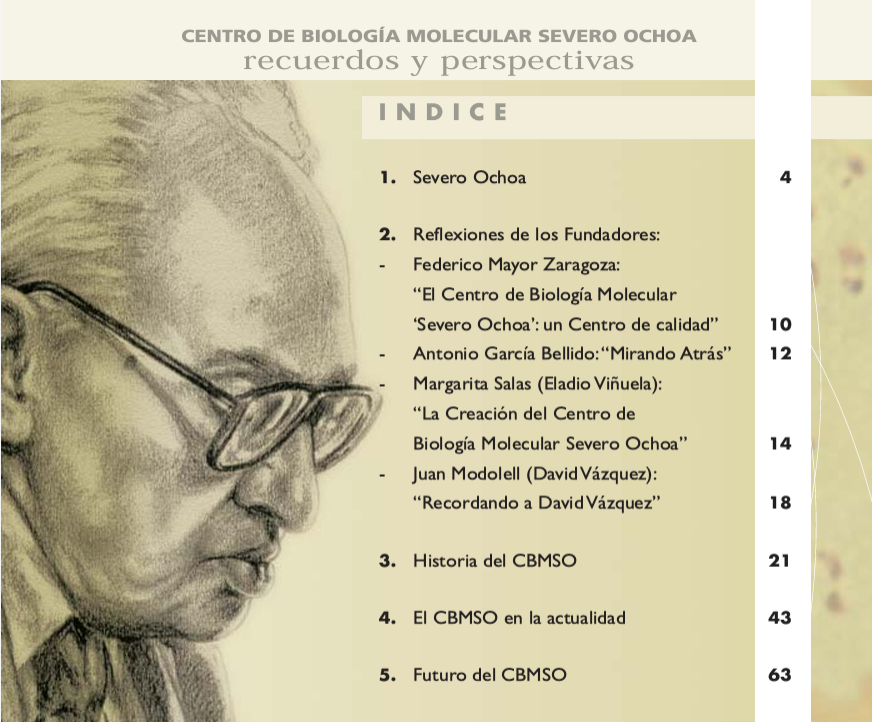
The CBM was established in 1975 as a joint institution between the Consejo Superior de Investigaciones Científicas (CSIC) and the Universidad Autónoma de Madrid (UAM), under the initiative and tutelage of Nobel laureate Severo Ochoa. He brought together several of the most active groups in the fields of biochemistry and molecular biology to establish the CBM.
Our founders, together with Severo Ochoa, include Federico Mayor Zaragoza, Eladio Viñuela, David Vázquez and Antonio García Bellido, each of whom has had a permanent and important legacy in the CBM and many other research institutions in Spain and wolrdwide.
We have been the home to leading scientists such as Margarita Salas, who established her lab here from the creation of the institute until her passing in 2019, or Ginés Morata, whose work in genetics and development was recognised with the Princess of Asturias Award for Technical and Scientific Research in 2007. Our comunity of scientist includes several recipients of other prestigious awards, as well as several members of the Academia Europaea and many other Societies and Academies.
At the CBM, we wish to honour our alumni community, as they represent our legacy and our future.
Over the years, the centre has served as a meeting point for numerous researchers who have pursued their professional careers in various fields of science, contributing to scientific progress.
Our alumni network aims to:
- Highlight the impact of CBM’s scientific training across various fields.
- Promote the international profile of our researchers.
- Foster connections between generations of scientists.
- Strengthen our commitment to research, innovation and public engagement.
This space aims to showcase these careers and strengthen the bond between those who have been part of the CBM and those who are part of it today.
Vacio
Pioneers and distinguished CBM alumni
Here we celebrate the distinguished CBM alumni who marked a turning point in molecular biology and related fields. Each has left a scientific and personal legacy that continues to inspire new generations.
Federico Mayor Zaragoza (1934–2024)Area: Biochemistry, molecular biology. Contribution: He contributed to the development of biochemistry and molecular biology in Spain during key phases of institutional consolidation. His early research focused on cellular metabolism and biochemical regulation, producing significant scientific output. He was the Minister of Science in Spain and later expanded his impact through UNESCO, promoting science, education, and international cooperation. Awards: Director-General for UNESCO, he received numerous prestigious awards throughout his career, including the Schengen Peace Foundation’s World Peace Award, the Gold Medal and the Saint George’s Cross of the Generalitat de Catalunya, and the title of Favourite Son of Andalusia. Additionally, his extensive global contributions to science, education, and peace have earned him honorary doctorates from dozens of universities worldwide, including the Sorbonne and the University of California.
|
 |
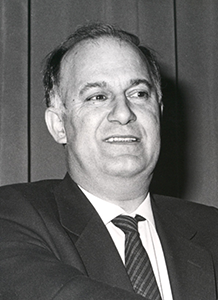
Eladio Viñuela (1937–1999)Area: Biochemistry, molecular biology and virology Contribution: A pioneer of molecular virology in Spain, he made key contributions to the study of animal viruses, particularly the African swine fever virus. He developed approaches to understand viral replication and gene expression. He played a central role in establishing modern research centres and scientific schools. Awards:Awarded the Carlos J. Finlay Prize from UNESCO (1991, shared with Margarita Salas and Jean Marie Ghuysen), the Medalla de Extremadura (1999, posthumous), the Severo Ochoa Research Award from the Ferrer Foundation. Member of several prestigious scientific academies.
|
 |
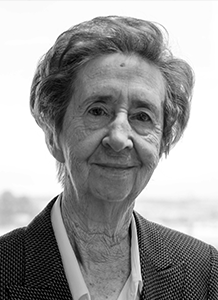
Margarita Salas (1938–2019)Area: Biochemistry, molecular biology and virology Contribution: She specialized in the fundamental mechanisms of DNA replication and transcription. Her research on protein-DNA interactions provided the biochemical foundation for modern genetic amplification techniques. Her work was instrumental in bridging basic research and industrial biotechnology, establishing a legacy of excellence that remains a cornerstone of the CBM and Spanish science. Awards:Prince of Asturias Award for Technical and Scientific Research (1999). L’Oréal-UNESCO For Women in Science Award (2000). Santiago Ramón y Cajal National Research Award, Echegaray Medal, CSIC Gold Medal, among many others. Member of the Royal Spanish Academy, of the European Academy of Sciences and Arts, of the American Academy of Arts and Sciences and Foreign Associate of the National Academy of Sciences.
|
 |
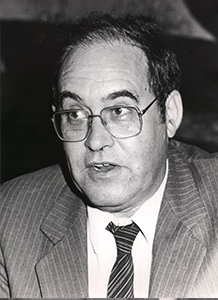
Antonio García-Bellido (1936–2025)Area: Genetics and developmental biology Contribution: A founding figure in developmental genetics, he formulated the concept of “compartments” in imaginal discs of the fruit fly, Drosophila melanogaster. His work defined fundamental principles of pattern formation and organisation in multicellular organisms. He had a major international influence on modern developmental biology. Awards: Prince of Asturias Award for Technical and Scientific Research (1984). Santiago Ramón y Cajal National Research Award (1995). EMBO member and Fellow of the Royal Society.
|
 |
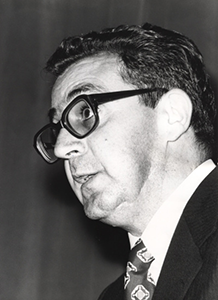
David Vázquez (1930–1986)Area: Biochemistry and microbiology Contribution: A leading figure in the study of ribosomes and protein synthesis in prokaryotic systems. He elucidated the mechanisms of action of antibiotics that inhibit translation. His work helped position Spanish biochemistry on the international stage during its formative years.
|
 |
AlumniCBM interviews
Our alumni community embodies the continuity of knowledge, collaboration and scientific excellence beyond the centre itself.
Through these interviews, our alumni share their experiences, reflections and journeys following their time at the CBM, offering us a more personal insight into research and science.

Remembering and recognising talent
At the CBM, we are proud to honour and recognise our alumni, who have contributed to the advancement of molecular biology and related fields from various roles in research, teaching, industry and science communication.
Who do we highlight here?
- Researchers trained at the CBM who lead research groups at universities and centres both nationally and internationally.
- AlumniCBM who have contributed to the development of tools and technologies in biomedicine, biotechnology and genomics.
- Professionals who promote scientific outreach with rigour and commitment.
Why this section?
We want to highlight the impact of training at the CBM on science and society, recognising careers that inspire our new generations of researchers.
Get in touch
We are compiling profiles of distinguished CBM alumni, including their main areas of work and most significant contributions, to be included here on an ongoing basis.
If you are a CBM alumnus and would like to share your career story, please write to comunicacion@cbm.csic.es