


Scientific facilities
Biocomputing and omics integration
Facility heads

Sandra González

David Abia
Scientific Lead

Daniel Carbajo Pedrosa
Contact details
91 196 4634
sbio(at)cbm.csic.es
SBIO (Biocomputing and Omics Integration Facility)
The Biocomputing and Omics Integration Facility (SBIO) is the central unit of the Centro de Biología Molecular Severo Ochoa (CBM) dedicated to solving complex biological problems through computational approaches. We provide advice, analytical support, and custom tool development in the fields of bioinformatics, systems biology, structural modeling, and the statistical analysis of massive datasets.
We support research groups throughout the entire data lifecycle: starting with experimental design, sample size estimation, and the selection of the appropriate technological platform, advancing to rigorous algorithmic processing, multi-omics layer integration, and results validation.
Our workflow is based on direct collaboration with the user to approach each project according to its level of complexity. We design and implement analytical solutions tailored to the specific needs of each project. We ensure secure data management, structured quality control, and complete methodological traceability, guaranteeing the computational rigor and reproducibility required in top-level research.
Your Title Goes Here
Your content goes here. Edit or remove this text inline or in the module Content settings. You can also style every aspect of this content in the module Design settings and even apply custom CSS to this text in the module Advanced settings.
Data Analysis and Integration of Omics Data
Comprehensive processing, quality control, and biostatistical analysis for high-throughput technologies, adapted to the sample type and study organism:
- Genomics and Transcriptomics: RNAseq, DNAseq (resequencing and de novo assembly), Single-Cell, Spatial Single-Cell, and Microarrays.
- Epigenomics and Regulation: ChIPseq and ATACseq.
- Microbiome: Shotgun Metagenomics and amplicon sequencing (16S, 18S, ITS).
- Proteomics and Metabolomics: Multivariate statistical analysis and differential mapping of proteins and metabolites.
- Multi-omics Integration and Pathways: Functional enrichment analysis (Pathway Enrichment, GSEA, ORA) and intersection of massive datasets to understand the biological system globally.
Analysis and Modeling of Systems and Macromolecules
Structural bioinformatics and sequence analysis aimed at understanding molecular function, evolution, and dynamics:
- Structural Prediction and Modeling: 3D modeling of proteins and macromolecular complexes.
- Molecular Interactions: Docking studies (protein-protein, protein-ligand) and free energy calculations.
- Molecular Dynamics: Computational simulations of macromolecular flexibility and behavior over time.
- Evolutionary and Sequence Analysis: Multiple alignments, identification of biological patterns and motifs, similarity searches, and phylogenetic analysis.
Transversal Services
Analytical support services to provide added value to research:
- Experimental Design and Consulting: Recommendation of technological platforms, sample size estimation, and assistance in drafting methodological justifications for grant proposals.
- Statistics and Machine Learning: Data mining, predictive models, clustering, and robust statistical analysis applied to experimental data.
- Custom Software Development: Programming of workflows in Python, R, and Bash, and creation of interactive web applications (Shiny) for autonomous data visualization and exploration.
- Data Management: Secure and confidential management for depositing raw sequences in official European repositories (ENA, EGA), a mandatory requirement for publication in scientific journals.
- Training: Organization of courses and technical tutoring to train researchers in the autonomous analysis of omics and statistical data.
Workflow and Deliverables
The facility is structured into three analysis levels based on the complexity of the biological question: Level 1 (Standard), Level 2 (Semi-personalized), and Level 3 (Personalized/Research).
- Initial Assessment: Every project begins with a technical meeting to define the objectives and scope, whether the researcher already has the data or needs to design it from scratch.
- Deliverables: Upon completion of the analysis, the user receives detailed quality control reports, processed data,statistical analyses, graphical visualizations, and a methodological report.
- Transfer and Custody: Results are delivered via a secure download link (valid for 3 months). The transfer of massive raw files is carried out via an external hard drive. After delivery, the long-term storage and custody of the data becomes the user’s responsibility.
Computing Infrastructure
SBIO manages and maintains a local computing infrastructure:
- Local Computing Cluster: Internal High-Performance Computing (HPC) environment consisting of 30 compute nodes (CentOS 7/8), a total of 512 cores, 2.2 TB of distributed RAM, and 130 TB of shared storage.
- Linux Workstations: Local spaces for intensive analysis equipped with Rocky Linux 9, high-performance Intel Core i5 processors, 32GB of RAM, and 2TB of SSD storage.
- External Resources: Facilitation, support, and management of access to external supercomputing networks such as NodoBio and DRAGO.
Staff

David Angel Abia Holgado
Technician in Scientific Facility
Lab.: 313.2 Ext.: 4634
dabia(at)cbm.csic.es
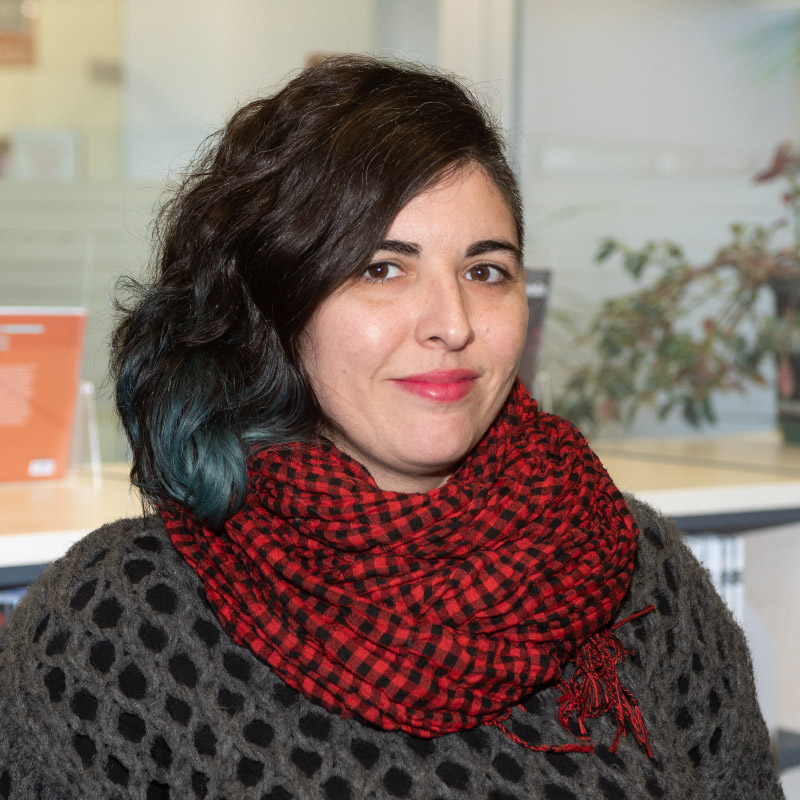
María Santos Galindo
Technician in Scientific Facility
Lab.: 313.2 Ext.: 4704
msantos(at)cbm.csic.es

Sandra González de la Fuente
Technician in Scientific Facility
Lab.: 313.2 Ext.: 4704
sandra.g(at)cbm.csic.es
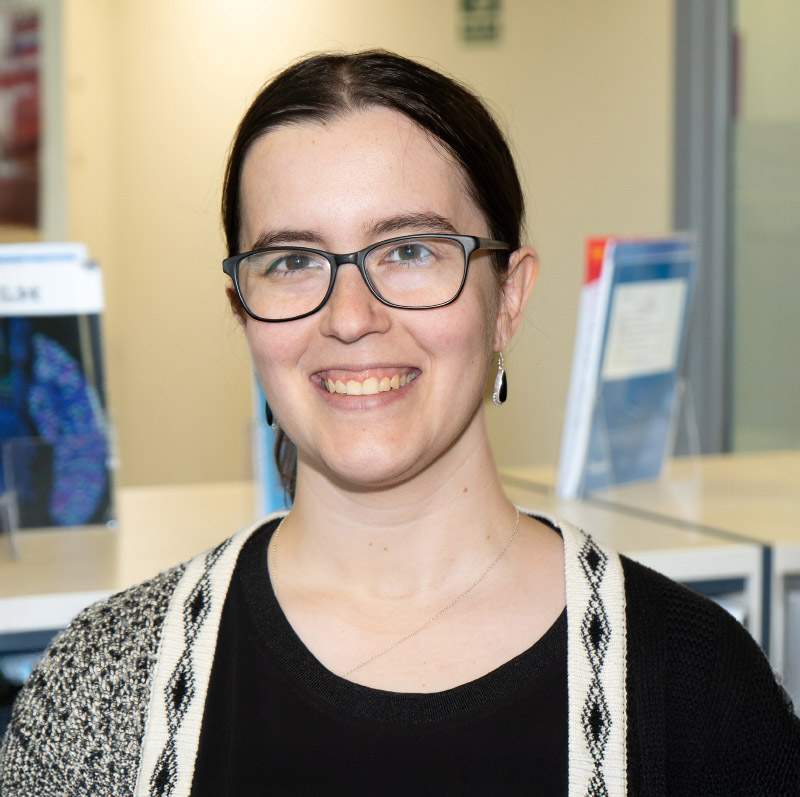
Eva Sacristán Horcajada
Technician in Scientific Facility
Lab.: 312.2 Ext.: 4704
esacristan(at)cbm.csic.es
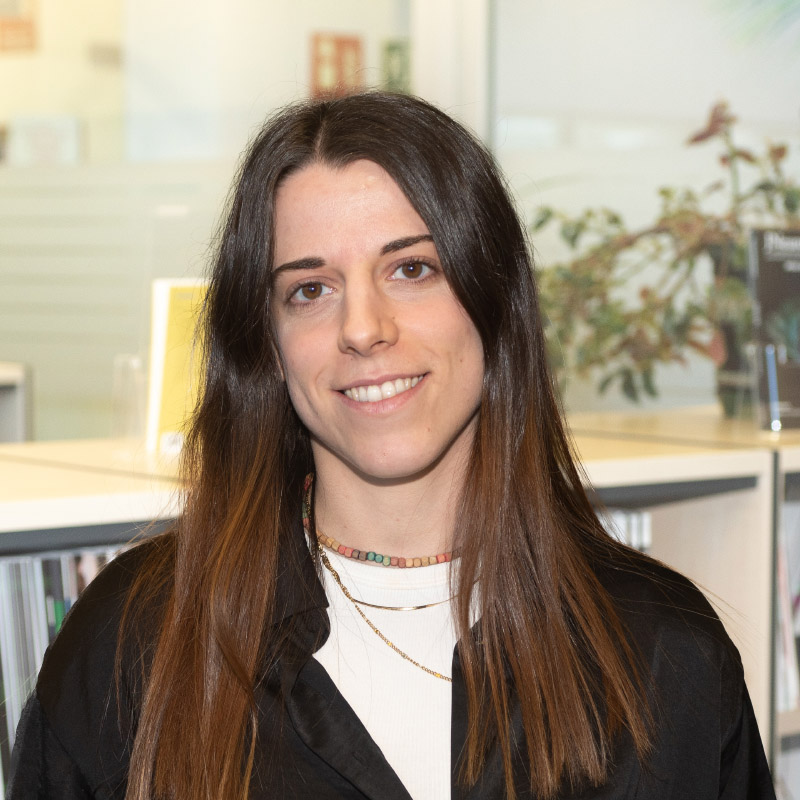
Paula Martínez García
Technician in Scientific Facility
Lab.: 313.2 Ext.: 4704
paula.martinez(at)cbm.csic.es
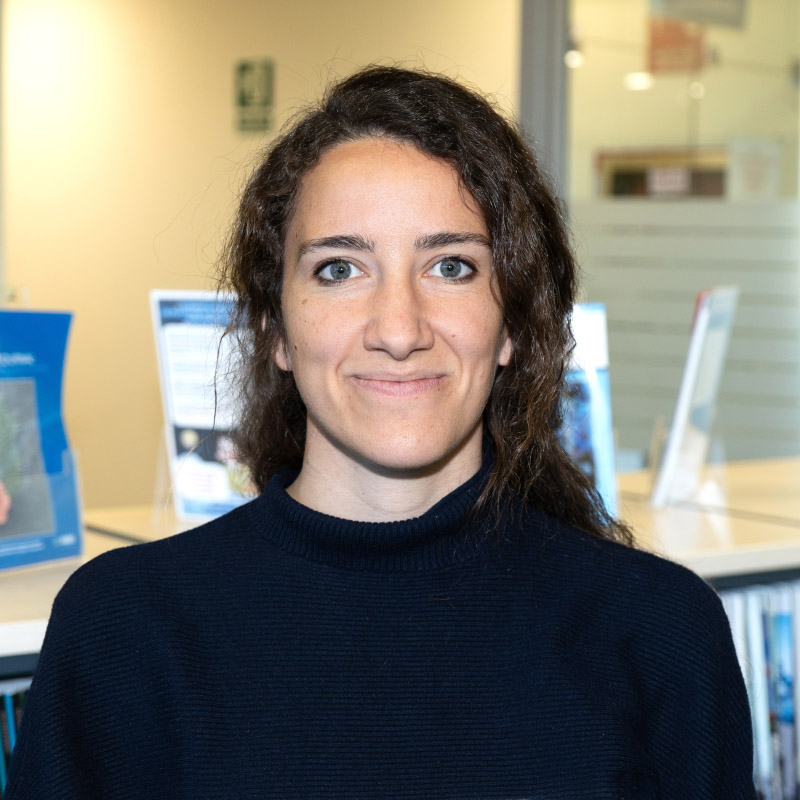
María Santos Romero
Technician in Scientific Facility
Lab.: 313.2 Ext.: 4704
msromero(at)cbm.csic.es
Daniel Carbajo Pedrosa
Head of Scientific Facility
Lab.: 313.2 Ext.: 4634
daniel.carbajo(at)cbm.csic.es