Scientific Program
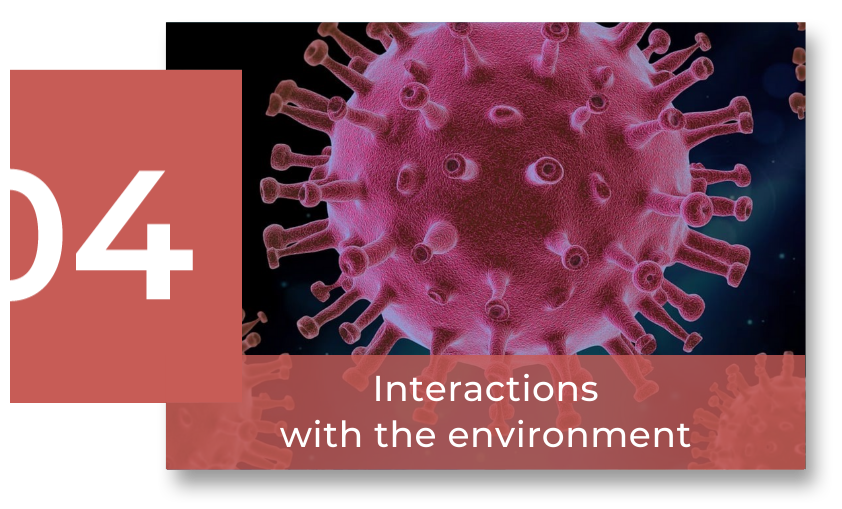
Interactions with the environment
RESEARCH GROUP
Modulation of innate and adaptive immune responses in viral infection and inflammatory diseases
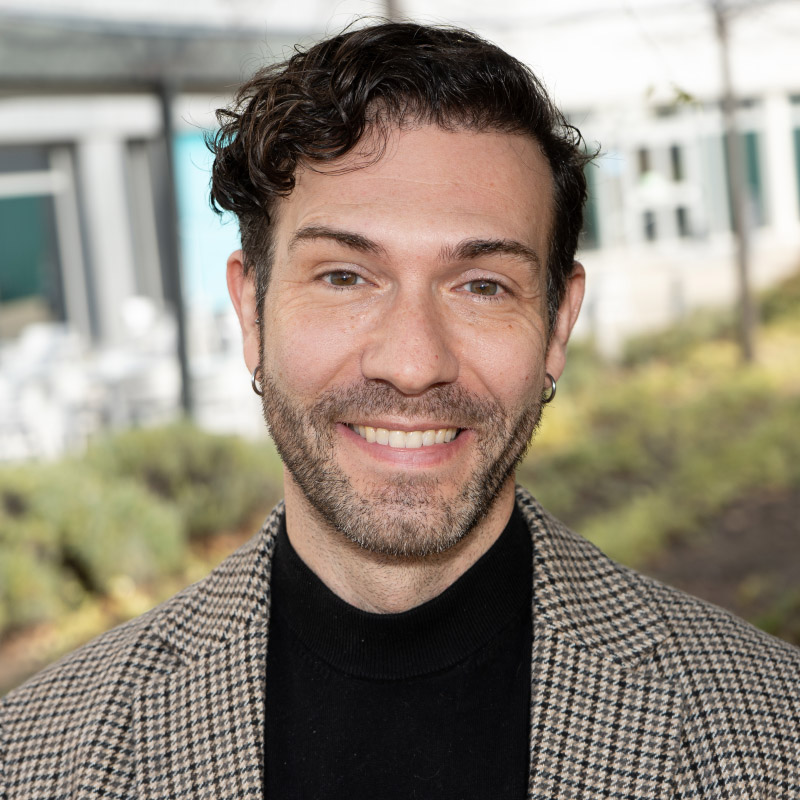
Enrique Martín Gayo
Our laboratory investigates the bidirectional crosstalk between innate and adaptive immune cells in viral infections (HIV, SARS-CoV-2, CMV) and autoimmune diseases (Sjogren’s, Rheumatoid Arthritis) using single-cell and spatial omics, histology, and in vitro and animal models to develop cell therapies that enhance immunity and reduce inflammation.

Research
Our group focuses on several projects aimed at understanding the functional impact of innate activation in myeloid cells, such as dendritic cells and monocytes, and how their crosstalk with other immune components, including T lymphocytes and NK cells, shapes immune responses. We investigate the relevance of these interactions in viral infections such as HIV-1 and SARS-CoV-2, and how reversing immune exhaustion and reactivating cellular metabolism can enhance antiviral immunity and support the development of new immunotherapies.
We have identified distinct CD8+ T-cell subpopulations in people with HIV, characterized by differential expression of immunomodulatory receptors and endowed with diverse functional and metabolic capacities. We are studying the regulation of the ligands for these receptors in myeloid cells. In parallel, we have identified NKG2C+ “adaptive” NK cells as promising tools for HIV-1 immunotherapy.
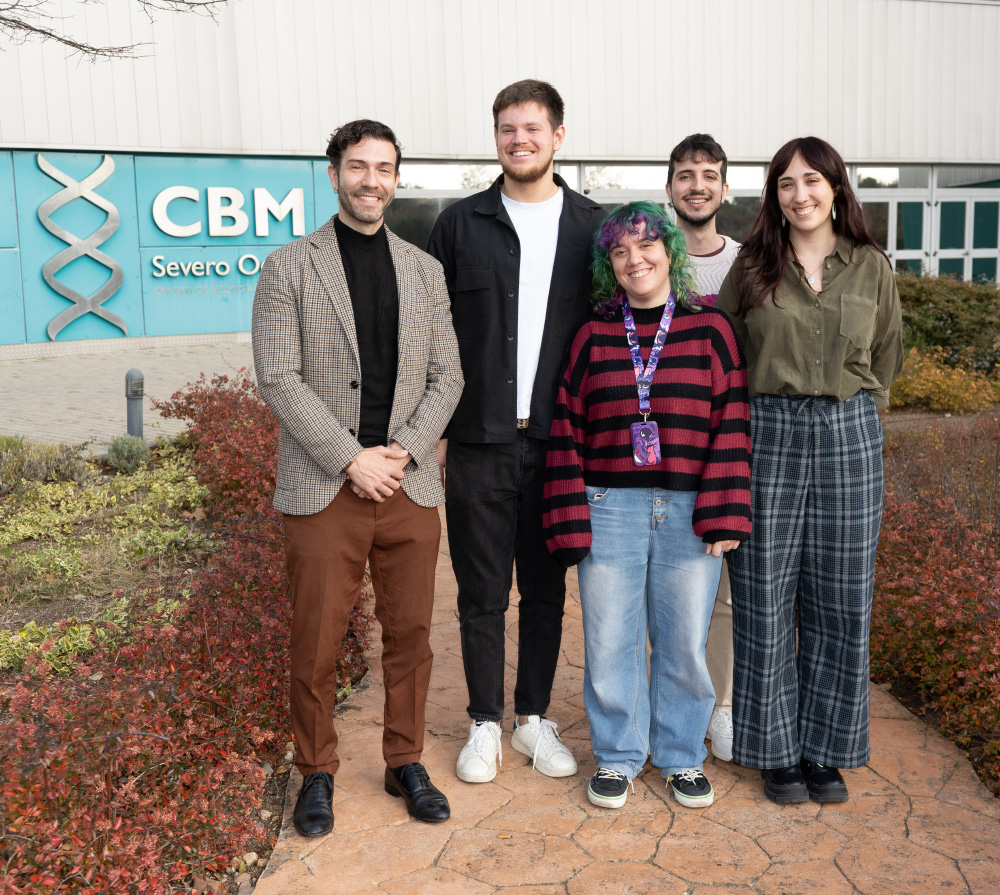
We were pioneers in Spain in establishing humanized mouse models of HIV-1 infection, which we are now using to test multiple cellular immunotherapies in combination with checkpoint blockade and immunometabolic modulators.
Our group was also among the first to characterize myeloid populations recruited to the lung in critically ill COVID-19 patients, and we have shown how different components of SARS-CoV-2 drive monocyte activation and differentiation, promoting Th17 cell generation. We are currently investigating the potential contribution of adaptive NK cells to lung pathogenesis in severe COVID-19.
Finally, in our most recent projects, we are using single-cell RNA-seq and Spatial Transcriptomics to study mechanisms of chronic and pathogenic inflammation, as well as oxidative stress modulators in cells and tissues from people with HIV and from autoimmune diseases. These studies have revealed alterations in cytoplasmic nucleic acid–sensing pathways, including RNA/DNA sensors and inflammasome-related mechanisms.
Group members
Enrique Martín Gayo
Lab.: 324 Ext.: 4614
emgayo(at)cbm.csic.es
Ilya Tsukalov
Lab.: 324 Ext.: 4645
María Agudo Lera
Lab.: 324 Ext.: 4645
Marina Díaz Sánchez
Lab.: 324 Ext.: 4614
Paul Nicholas Holmes Antón
Lab.: 324 Ext.: 4645
Selected publications

Antiretroviral therapy duration and immunometabolic state determine efficacy of ex vivo dendritic cell-based treatment restoring functional HIV-specific CD8+ T cells in people living with HIV
Marta Calvet-Mirabent et al.

MICa/b‐dependent activation of natural killer cells by CD64+ inflammatory type 2 dendritic cells contributes to autoimmunity
Ildefonso Sánchez‐Cerrillo et al.

NFκB and NLRP3/NLRC4 inflammasomes regulate differentiation, activation and functional properties of monocytes in response to distinct SARS-CoV-2 proteins
Ilya Tsukalov et al.

Combined dendritic cell and anti-TIGIT immunotherapy potentiates adaptive NK cells against HIV-1
Ildefonso Sánchez-Cerrillo et al.
Latest publications
Scientific Programs