Scientific Program
Physiological and pathological processes
RESEARCH GROUP
Molecular control of neurotransmission

Jaime de Juan Sanz
We study the molecular mechanisms that enable communication between neurons. To do so, we develop new molecular tools and functional imaging approaches to measure processes that were previously inaccessible at neuronal connections. Understanding these mechanisms is key to uncover fundamental principles of brain function and opening new avenues for neurological disease.
Research
Our research focuses on understanding the molecular mechanisms that govern communication between neurons, with a particular emphasis on presynaptic function. Synapses are the fundamental units of information transfer in the brain, yet many of the processes that regulate their strength, precision, and plasticity remain poorly understood. We aim to uncover how intracellular organelles, calcium signaling, membrane trafficking, and trans-synaptic proteins interact to control neurotransmission.
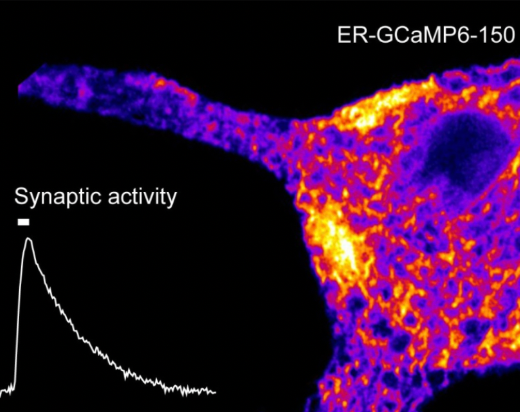
To address this, we combine mechanistic cell biology with the development of novel molecular and optical tools. A central strategy of the laboratory is to design technologies that enable the direct measurement of processes that were previously inaccessible in intact neuronal systems. These include tools to monitor organellar calcium dynamics, track activity-dependent trafficking of endogenous proteins, and quantify the molecular composition of synaptic surfaces in real time.
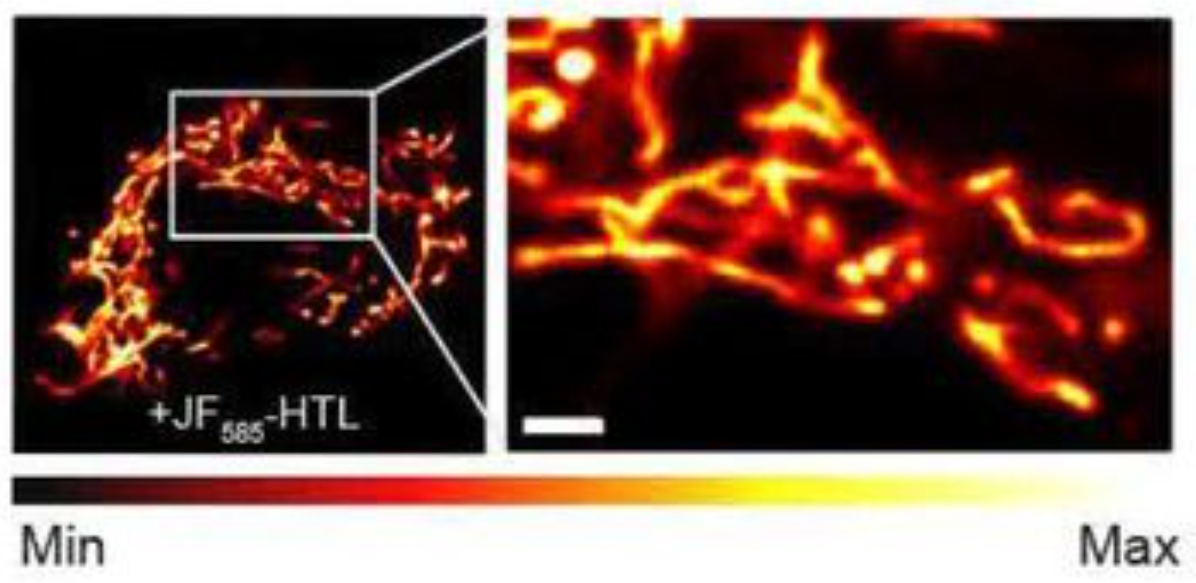
Using these approaches, our research is structured around three main directions. First, we study how intracellular organelles such as the endoplasmic reticulum and mitochondria regulate presynaptic calcium signaling and metabolic support for neurotransmission. Second, we investigate how the molecular landscape of the synaptic cleft is dynamically remodeled through activity-dependent trafficking of trans-synaptic proteins. Third, we explore how metabolic pathways within presynaptic terminals influence neurotransmitter synthesis and synaptic efficacy.
By integrating tool development with fundamental discovery, our work seeks not only to answer key questions in neuroscience, but also to open new experimental avenues for the field. Understanding these mechanisms is essential to define the principles of brain function and to identify novel targets and strategies for neurological disorders.
Group members

Jaime de Juan Sanz
Group leader
Lab.: 103 Ext.: 4455
jaime.dejuansanz(at)cbm.csic.es

Andrés de la Rocha Muñoz
Senior researcher
Lab.: 103 Ext.: 4455
adelarocha(at)cbm.csic.es

Natalia Ramos Suárez
PhD researcher
Lab.: 103 Ext.: 4455
Selected publications

Mitochondrial Ca2+ efflux controls neuronal metabolism and long-term memory across species
Anjali Amrapali Vishwanath et al.

An expanded palette of bright and photostable organellar Ca2+ sensors
Agathe Moret et al.

Monitoring of activity-driven trafficking of endogenous synaptic proteins through proximity labeling
Carlos Pascual-Caro et al.

Activity-driven synaptic translocation of LGI1 controls excitatory neurotransmission
Ulku Cuhadar et al.
Latest publications
Scientific Programs